Instagram Carousel Design Exercise
Dermatillomania, a BFRB (Body-Focused Repetitive Behavior)
Designing an empathetic Instagram carousel for a sensitive mental health audience — from competitive research and exploration to final delivery.
2026
CLIENT
Behavioral Healthcare Company
Role
Brand Designer
Skills
Brand Design, Visual Design, Social Media
Tools
"How do you design for an audience who doesn't yet have words for what they're experiencing?"
As part of a Senior Brand Designer application process, I was given a take-home design exercise with a 3–4 hour constraint. The brief asked me to create a small-scale brand communication concept that helps someone with undiagnosed or untreated dermatillomania — a Body-Focused Repetitive Behavior — feel seen, understood, and hopeful about treatment.
The core tension: the target audience likely doesn't know the clinical name for their condition, may carry significant shame around the behavior, and needs to be met with empathy before information.
Our Goals
Design for emotional accessibility first, clinical accuracy second
Stay within behavioral health sensibilities — trustworthy, hopeful, professional
Deliver a polished, production-ready concept within the time constraint
Research & Competitive Analysis
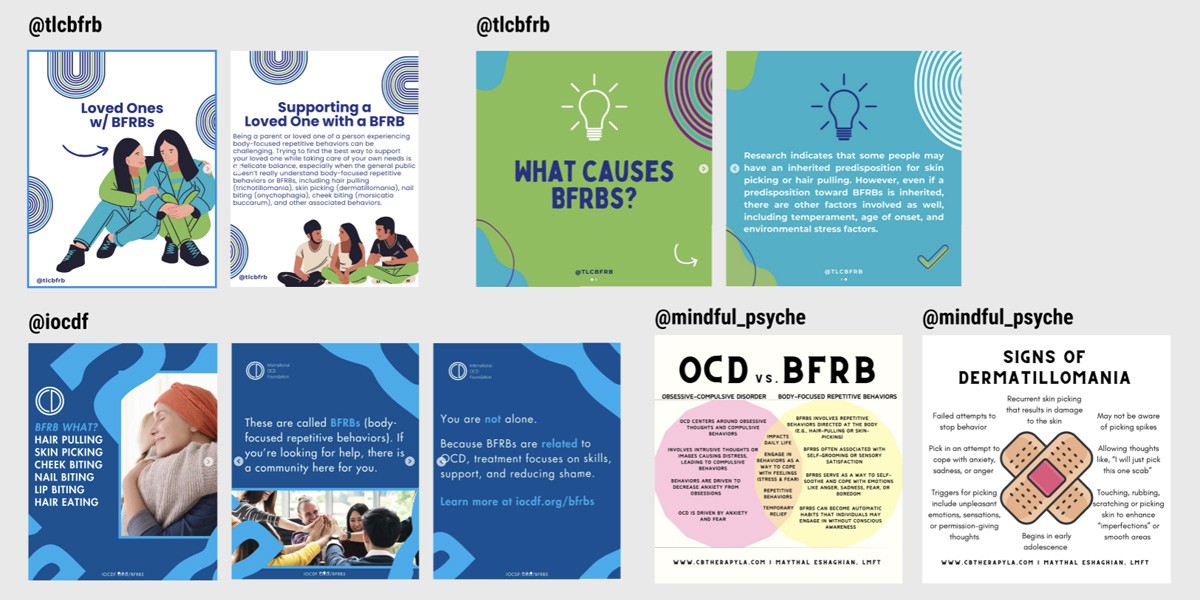
Before opening Figma, I used Claude to analyze Instagram content across the BFRB/OCD awareness landscape — surveying accounts including @treatmyocd, @tlcbfrb, @iocdf, @mindful_psyche, and @skinpick_com. Key variables I examined: tone of voice, use of typography as design, emotional register (clinical vs. community-driven), and how hope is conveyed alongside stigma reduction.
Visual System
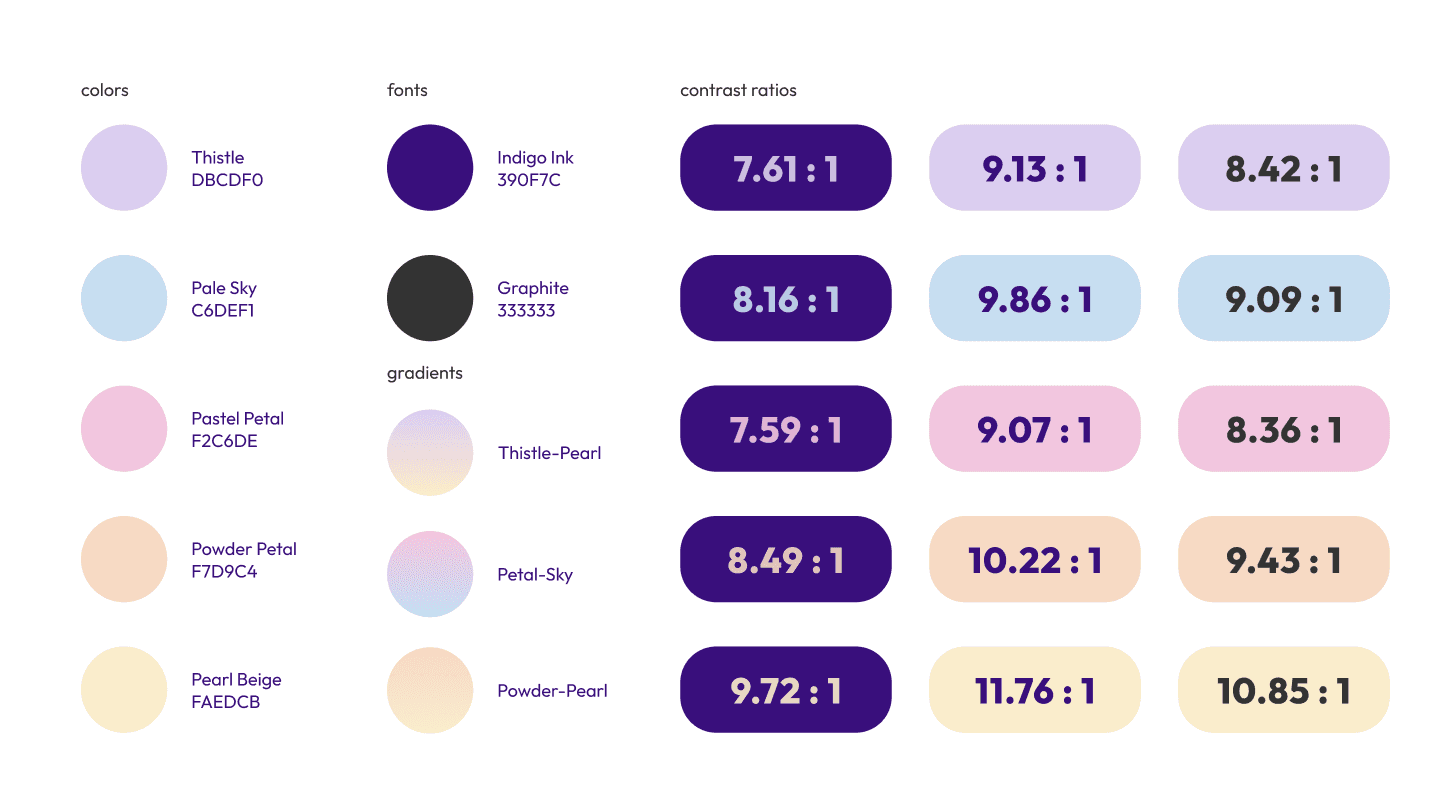
Rather than adopting an existing brand, I developed an original visual system appropriate for the subject matter. I explored multiple palette directions in Coolors before committing to a final system prioritizing warmth, accessibility, and emotional approachability. All color combinations were tested for WCAG contrast compliance before application. Typography followed the same exploratory approach — evaluating several pairings before landing on Alexandria for headers and Oxygen for body copy, chosen for their approachability and legibility at social media scale.
Copywriting & Iteration
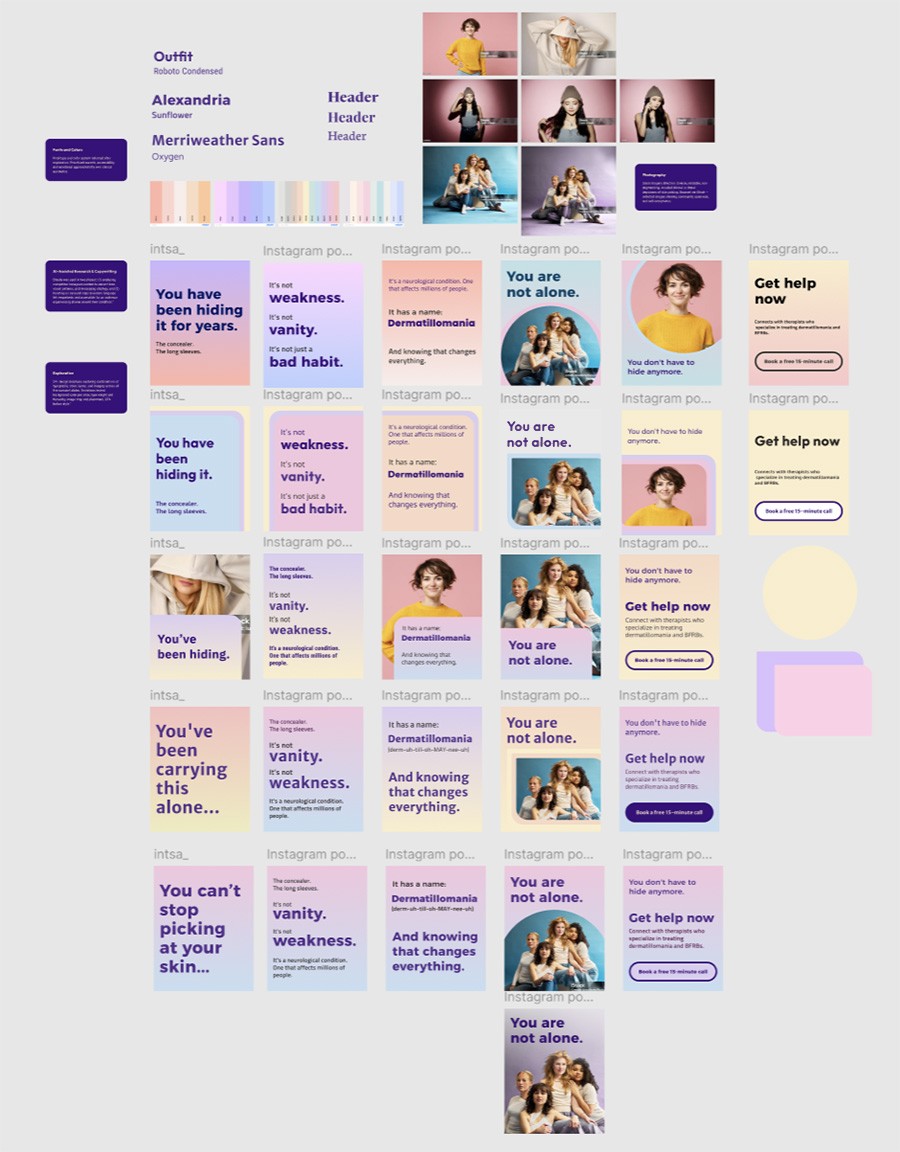
I used Claude to iterate on carousel copy, ensuring language felt empathetic and accessible for an audience experiencing shame. I also used Adobe Photoshop Generative Fill to source and refine imagery. The carousel went through 24+ design iterations exploring combinations of typography, color, layout, and imagery before arriving at the final five slides.
The Carousel Concept
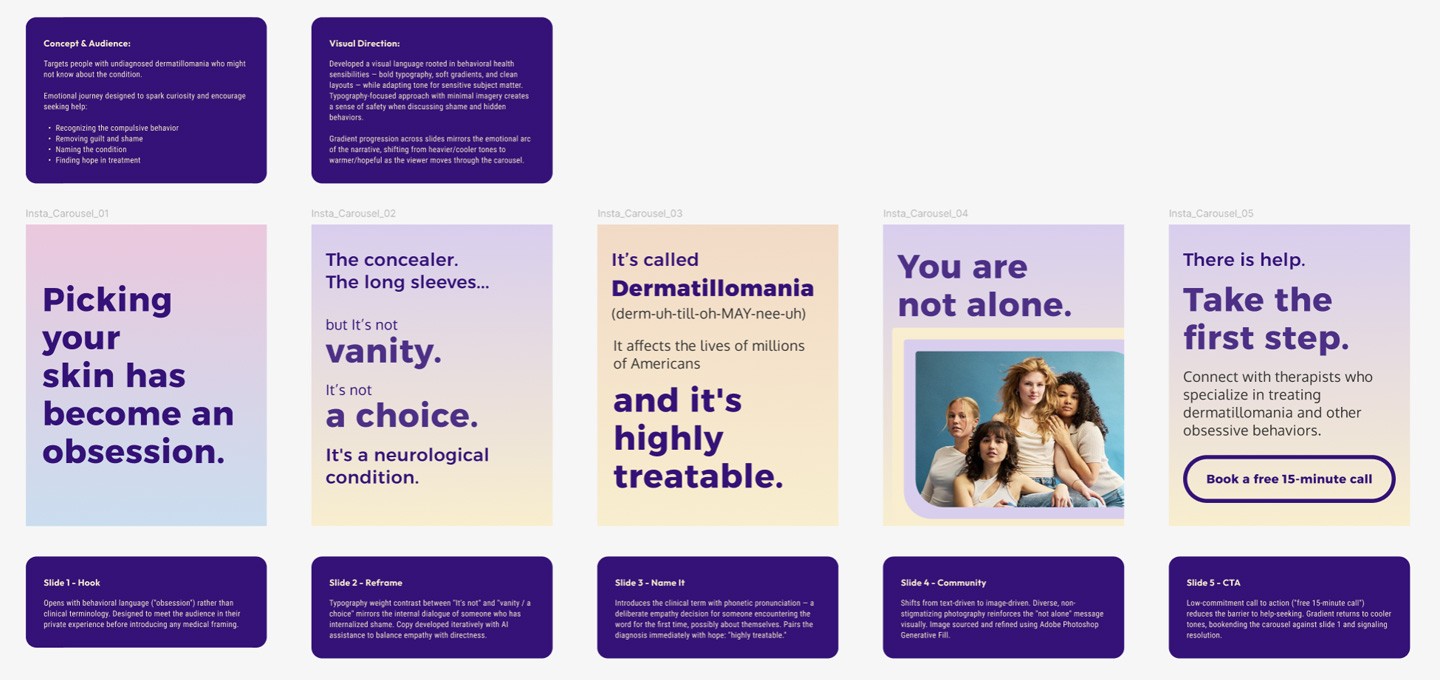
I chose the Instagram carousel format to create an emotional journey across five slides — moving the viewer from recognition through reframing to hope:
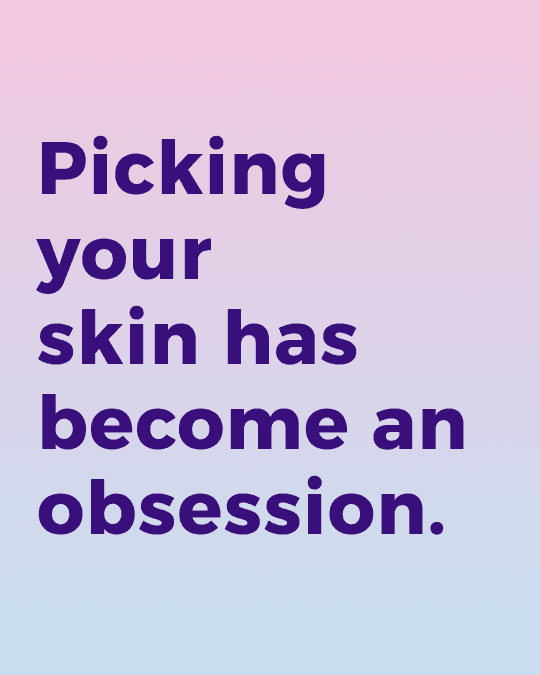
Slide 1 — Hook: Opens with behavioral language ("obsession") rather than clinical terminology
Slide 2 — Reframe: Dismantles shame through typographic contrast
Slide 3 — Name It: Introduces the diagnosis with phonetic pronunciation and immediate hope
Slide 4 — Community: Shifts to imagery — diverse, warm, non-stigmatizing
Slide 5 — CTA: Low-commitment call to action reduces the barrier to help-seeking
Gradient progression across slides mirrors the emotional arc — heavier/cooler tones opening, warmer/hopeful tones closing.
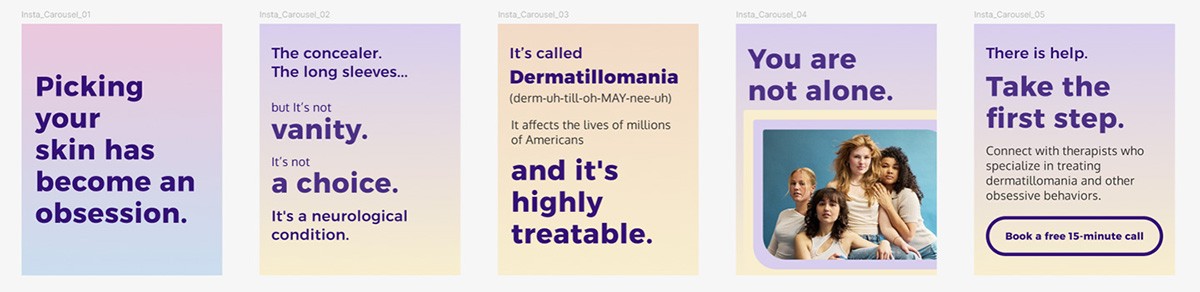
The Final Files
This exercise was completed within the 3–4 hour constraint and submitted as part of a Senior Brand Designer application process. The final deliverable demonstrates end-to-end brand design thinking — from landscape research through original system development to production-ready execution.
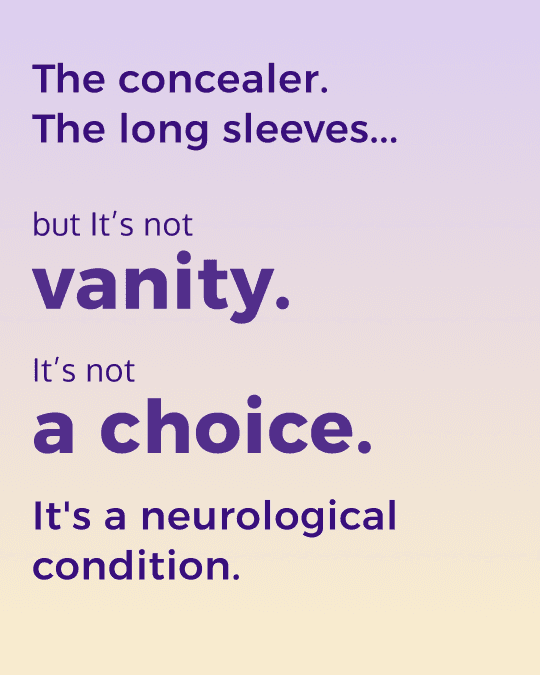
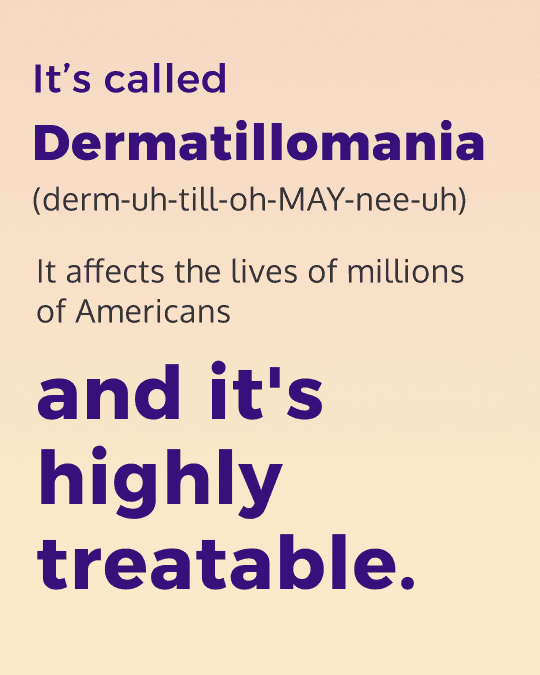
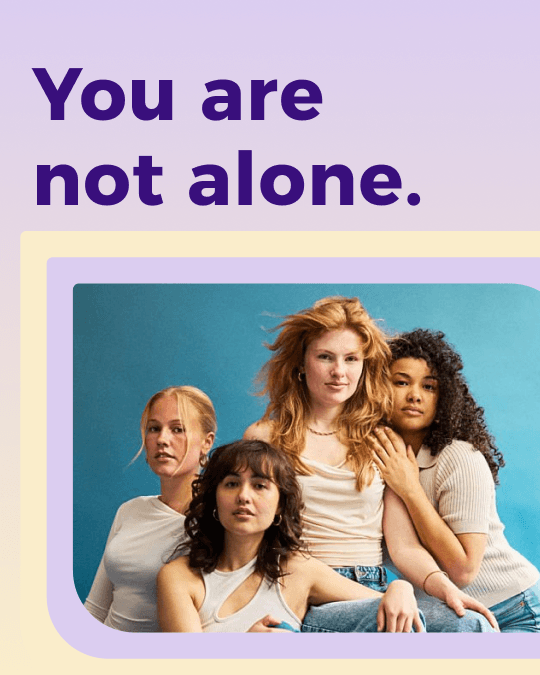
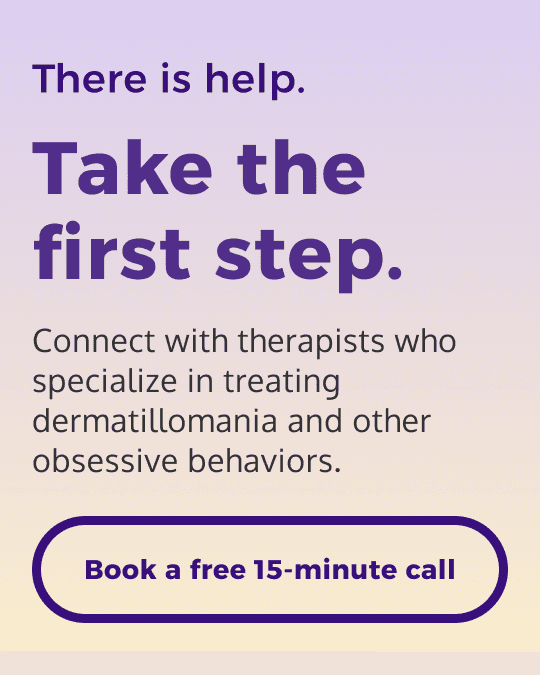
The Figma File
The Figma file is organized across four pages:
Page 1 — Brief & Research The anonymized design brief alongside a competitive analysis of Instagram content across six BFRB/OCD awareness accounts, surveying tone of voice, visual hierarchy, typography approach, and emotional register.
Page 2 — Style Guide The final design system including a custom five-color palette with WCAG contrast ratios, gradient combinations, typography hierarchy (Alexandria + Oxygen), and the reusable notation component built for the case study.
Page 3 — Exploration 24+ design iterations across all five carousel slides, documenting color, typography, layout, and imagery decisions. Includes Coolors palette exploration, stock photography direction, and AI-assisted copywriting callouts.
Page 4 — Final Carousel The five production-ready Instagram carousel slides with concept rationale, visual direction notes, and per-slide design annotations.